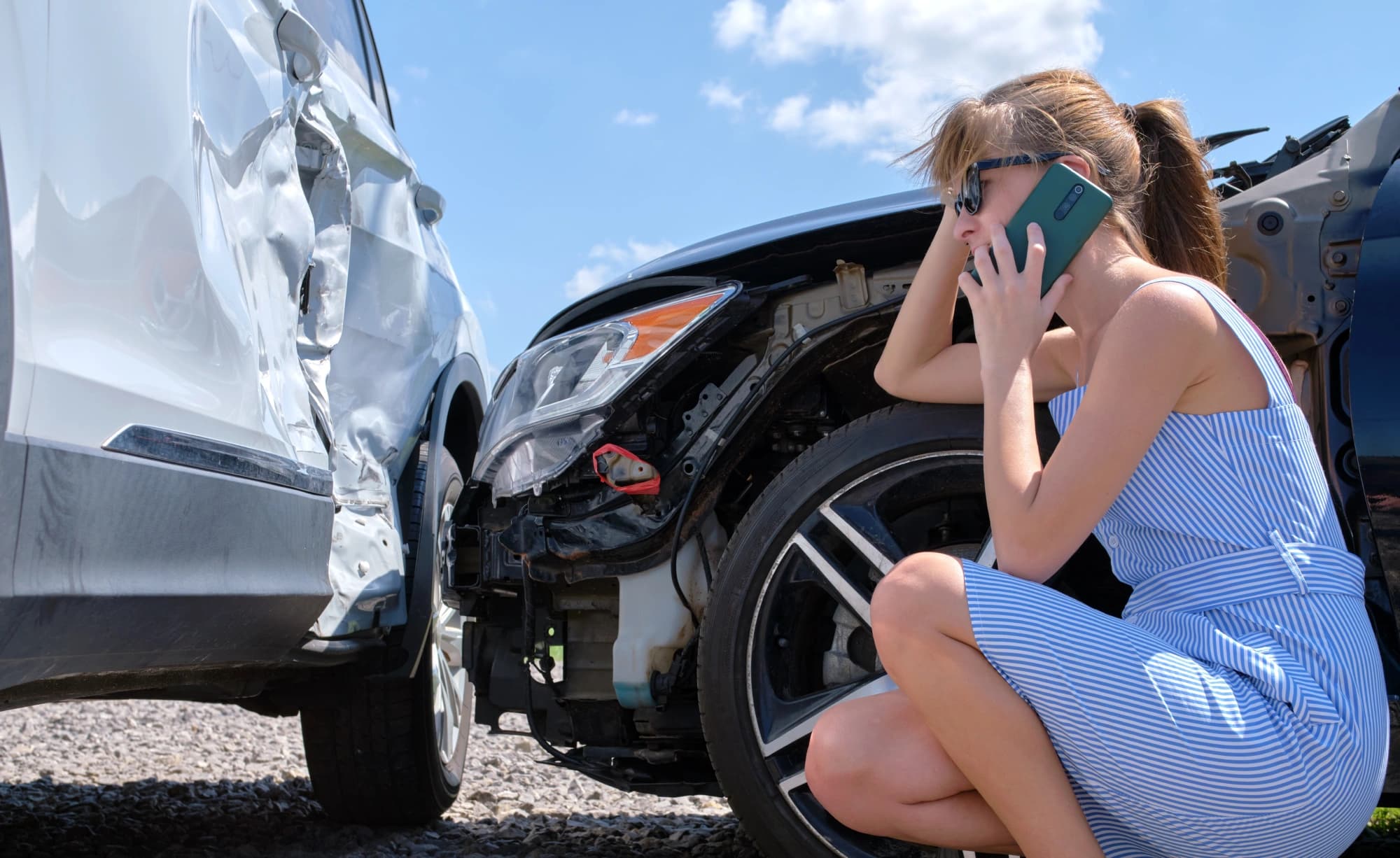


Car accident victims often walk away from the crash site without realizing how badly they're hurt. Internal injuries don't bleed where anyone can see them, they don't always hurt right away, and they don't show up on the surface. By the time symptoms appear, the insurance company has already started building its case against you.
If you're wondering whether you can sue for internal injuries from car accidents, the short answer is yes, and you likely deserve far more than the insurance company is willing to admit.
Here's when you have a strong case:
- You suffered a documented internal injury caused by the accident
- Another driver's negligence, recklessness, or wrongdoing caused the crash
- You sought medical treatment and have records connecting your injury to the collision
- The insurance company has denied, delayed, or underpaid your claim
- Your injuries have resulted in medical bills, lost wages, or long-term health consequences
Internal injuries are serious, and so is the legal fight to get what you're owed. In this article, we will break down the types of internal injuries car accidents cause, how liability works, what your case may be worth, and how Thiessen Law Firm fights to get you every dollar you deserve.
Before you go any further, know this: Mark Thiessen is a Houston car accident lawyer and a quadruple board-certified trial attorney. His entire career has been built upon taking on giants and winning, and he’s ready to do it for you. Call Thiessen Law Firm at (713) 864-9000 or contact us online for a free consultation.
When can you sue for internal injuries after a car accident?
Suing for internal injuries isn't just about proving you got hurt. It's about proving the right things, in the right order, with the right documentation. Insurance companies are trained to find gaps in your case, and internal injuries give them plenty of opportunities.
Here's what needs to be true before you have a solid claim:
You suffered a documented internal injury caused by the accident
Internal injuries are dangerous precisely because they're invisible. There's no cut, no bruise, no obvious sign that anything is wrong — but organs are bleeding, tissues are tearing, and pressure is building.
Common signs of internal injuries after a car accident include:
- Abdominal pain
- Swelling
- Dizziness
- Skin that appears bruised without surface trauma
- Blood in your urine after a car collision
Get evaluated by a doctor right away, even if you feel fine. Car accident internal bleeding can go undetected for hours or days before symptoms become severe. Without documentation connecting your injury to the crash, the insurance company will argue your injuries came from somewhere else.
Another driver's negligence, recklessness, or wrongdoing caused the crash
Texas personal injury law is built on negligence. To win your case, you need to show that another party failed to exercise reasonable care and that failure caused your injuries. That means proving the other driver was speeding, distracted, intoxicated, or otherwise acting recklessly — backed by police reports, witness statements, and accident reconstruction analysis.
Insurance companies don't just dispute your injuries. They dispute liability. They'll look for any way to shift blame onto you and justify paying you less. The stronger the evidence of the other driver's negligence, the harder it is for them to play those games. Texas personal injury lawyers who know how to build that evidence make all the difference.
You sought medical treatment and have records connecting your injury to the collision
One of the most common ways insurance companies kill internal injury claims is by attacking the gap between the accident and your first medical visit. If you waited to see a doctor, they'll argue that something else caused your injuries. What they won't tell you is that delayed pain after a car accident is completely normal. Adrenaline and shock can mask serious symptoms for hours or days after impact.
See a doctor immediately and follow through with every appointment, referral, and imaging order. Every visit and diagnosis becomes a link in the chain connecting your injuries to the crash. Break that chain and the insurance company will exploit the gap.
The insurance company has denied, delayed, or underpaid your claim
Insurance companies don't make money by paying claims fairly. Internal injuries are a prime target for denial and delay because the damages are significant and causation can be harder to prove than a visible injury. If an adjuster has already told you your claim is worth less than your medical bills, or that they need more time to investigate, they're running a playbook designed to wear you down.
Experienced injury attorneys have seen every version of that playbook. They know how adjusters evaluate internal injury claims, what documentation they're looking for, and where their arguments fall apart under pressure. When an insurance company denies or underpays a legitimate claim, that's not the end of the road. It's the beginning of the fight.
Your injuries have resulted in medical bills, lost wages, or long-term health consequences
Internal bleeding after a car accident doesn't just threaten your life in the short term. It can lead to organ damage, chronic pain, and long recovery timelines that keep you out of work for months. Chest pain after a car accident, for example, can indicate damage to the heart, lungs, or surrounding tissue. These are all conditions that may require surgery and extended rehabilitation. The financial impact can be devastating, and the insurance company's initial offer almost never covers the full picture.
Texas law entitles you to compensation for every consequence of your injuries: past and future medical expenses, lost wages, reduced earning capacity, and pain and suffering. The more serious the injuries, the harder the insurance company will fight to limit what they pay. That's exactly why you need attorneys who are prepared to fight back just as hard.
How do you prove internal injuries in a car accident claim?
Proving internal injuries is harder than proving a broken bone or a laceration. There's no visible wound, no obvious trauma, and symptoms often develop slowly. Insurance companies know this and use it against you.
Building a strong claim means closing every gap before they can exploit it. Here’s how:
Get immediate medical attention
The single most important thing you can do after a car accident is see a doctor right away, not just for your case, but for your life. Internal injuries can become life-threatening before symptoms ever become obvious. Emergency physicians can order CT scans, MRIs, and blood work that reveal damage that isn't visible from the outside, allowing doctors to treat conditions that could otherwise become fatal.
That same documentation also becomes the foundation of your legal claim. The longer you wait, the worse the health risk and the easier it is for the insurance company to argue your injuries happened somewhere else.
Follow through with every treatment recommendation
A diagnosis alone isn't enough. Consistent follow-through with your treatment plan is what gives your doctors the best chance of catching complications early and managing your recovery properly. It also creates a documented record that shows the severity of your injuries and their ongoing impact on your life. Every appointment you skip, and every referral you ignore, puts both your health and your claim at risk.
Connect the injury to the crash
Medical records need to tell a clear story: you were in a crash, you sought treatment, and the injuries you sustained are consistent with the forces involved in that type of collision. Expert medical testimony is often the key here.
Doctors who specialize in trauma can explain exactly how a high-impact collision causes the specific internal injuries you suffered. That testimony can help your care team understand and treat the full scope of your condition, and makes it much harder for the defense to argue otherwise in court.
Document every financial consequence
Medical bills, lost wages, prescription costs, and out-of-pocket expenses all need to be tracked and documented from day one. The full value of an internal injury claim goes far beyond the emergency room bill, and every dollar of economic loss needs to be supported by records.
Non-economic damages like pain and suffering also need to be built into the case through personal journals, testimony from family members, and expert opinions on long-term quality of life impacts.
FAQs
How long does it take for internal injuries to show?
Internal injuries can take anywhere from a few hours to several days to show symptoms. The adrenaline and shock that follow a crash can mask pain and discomfort long after the impact.
Some injuries, like slow internal bleeding or organ bruising, may not produce obvious symptoms until the condition becomes serious. This is why seeing a doctor immediately after any accident is non-negotiable, even if you feel completely fine.
How do you know if you have internal injuries after a car accident?
Warning signs of internal injuries after a car accident include abdominal pain or swelling, dizziness, fainting, nausea, deep bruising without a surface wound, blood in urine, and chest pain or difficulty breathing.
However, symptoms are not always immediate or obvious. The only reliable way to know whether you have internal injuries is through medical imaging such as a CT scan or MRI. Do not wait for symptoms to worsen before seeking evaluation.
Can you sue for internal injuries that were discovered days after the accident?
Yes. Delayed diagnosis does not disqualify you from filing a claim. What matters is that medical records connect your injuries to the accident, even if the diagnosis came days later. Insurance companies will try to use the delay against you, but an experienced attorney can counter that argument with medical expert testimony confirming that delayed presentation is common with this type of injury.
How much is an internal injury claim worth after a car accident?
The value of an internal injury claim depends on the severity of the injury, the treatment required, the impact on your ability to work, and the long-term consequences for your health and quality of life.
Serious internal injuries involving organ damage, surgery, or extended recovery periods can result in six- or seven-figure claims. An attorney can assess the full scope of your damages and fight to make sure nothing is left on the table.
Injured in a crash? We Fight Giants goes to war for every dollar you're owed.
Internal injuries from car accidents don't always announce themselves, but the insurance company's tactics do. From the moment you file a claim, adjusters are looking for reasons to pay you less. They'll question your diagnosis, attack your treatment timeline, and make lowball offers that don't come close to covering what you've actually been through.
At Thiessen Law Firm, we fight giants. That's not a slogan, it's a track record. Mark Thiessen is a quadruple board-certified trial attorney who has spent his career going up against the biggest insurance companies in America and winning. When you hire We Fight Giants, you're not getting an assembly line operation that settles fast and moves on. You're getting attorneys who prepare every case for trial, fight for maximum compensation, and don't back down when the giants push back.
If you or someone you love is dealing with the aftermath of a serious crash, don't wait. Call us at (713) 864-9000 or contact us online for a free consultation. We're available 24/7, because justice doesn't keep business hours.
More Helpful Articles by We Fight Giants:
- Can You Sue an Insurance Company for Denying a Claim?
- Who is At-Fault in Rear-End Accidents?
- The Extreme Danger of Head-On Collisions in Texas
- Can You Sue for PTSD After a Car Accident?
- Why You Need an Attorney for Soft Tissue Injuries After an Accident